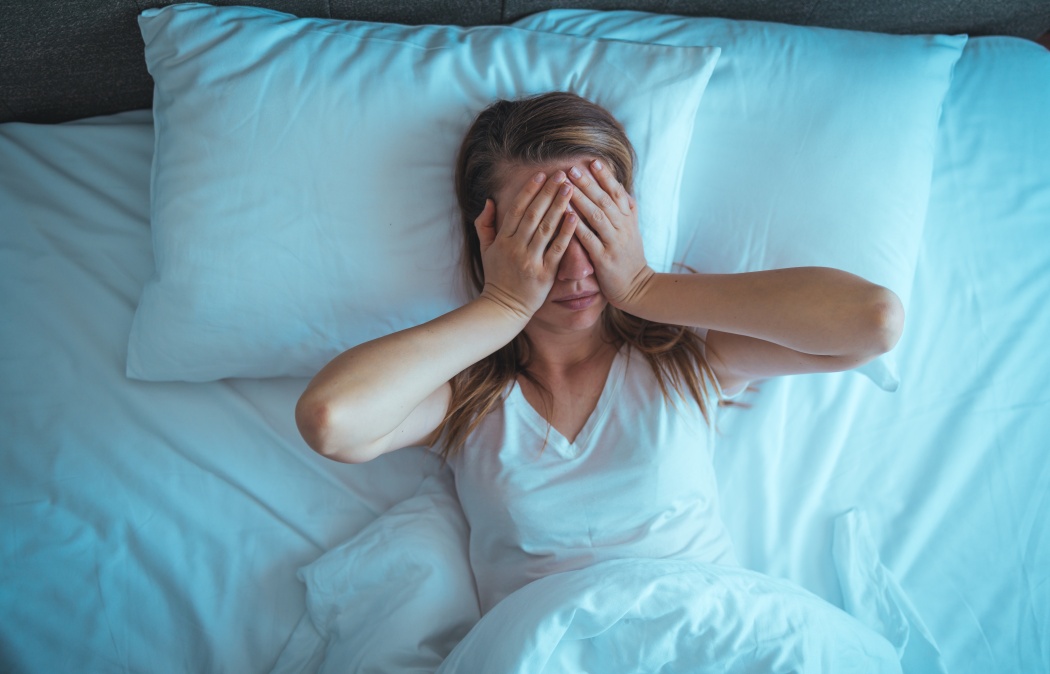
Trapped in the Loop: How Ketamine Breaks the Cycle of Treatment-Resistant Anxiety
You’ve tried the deep breathing. The meditation apps. The SSRIs your doctor prescribed, then switched, then switched again. You’ve sat in therapy sessions, practiced grounding techniques, and read every self-help book with “anxiety” in the title. And yet here you are—still waking at 3 AM with your heart racing, still catastrophizing about tomorrow’s meeting, still feeling that familiar tightness in your chest that never quite goes away.
If traditional anxiety treatments haven’t worked for you, you’re not alone. Approximately 30% of people with generalized anxiety disorder don’t respond adequately to first-line treatments. For these individuals, each failed medication trial deepens the frustration and the quiet fear that maybe nothing will work.
But something different is working—and it’s now available from your own home. Ketamine therapy represents a fundamentally different approach to anxiety, one that doesn’t just manage symptoms but actually rewires the neural patterns that keep you trapped in anxious thinking.
Why Traditional Anxiety Treatments Fall Short
To understand why ketamine works differently, it helps to understand why conventional treatments sometimes don’t.
Most anti-anxiety medications target serotonin, norepinephrine, or GABA systems. SSRIs and SNRIs gradually increase the availability of certain neurotransmitters, while benzodiazepines enhance GABA’s calming effects. These approaches help many people, but they share a common limitation: they modulate existing neural circuits without fundamentally changing them.
Think of your brain as a landscape with well-worn paths. Anxious thought patterns are like deep grooves carved over years—maybe decades—of worried thinking. Traditional medications can make walking those paths less painful, but they don’t create new paths. The grooves remain, ready to pull you back into familiar patterns when medication wears off or stress intensifies.
Ketamine does something different. Rather than just easing your journey along existing neural pathways, it helps your brain build new ones.
The Neuroplasticity Revolution
The key to ketamine’s effectiveness lies in neuroplasticity—your brain’s ability to form new neural connections and reorganize existing ones. This capacity doesn’t disappear in adulthood, but it does diminish. Chronic stress and anxiety actually accelerate this decline, making it harder for your brain to break free from established patterns.
Ketamine triggers a surge in neuroplasticity. Within hours of treatment, the brain begins producing new synaptic connections, particularly in the prefrontal cortex—the region responsible for executive function, emotional regulation, and rational thinking. These are precisely the areas that anxiety compromises.
Research shows that ketamine rapidly increases levels of brain-derived neurotrophic factor (BDNF), often called “fertilizer for the brain.” BDNF supports neuron health, promotes new connections, and enhances the brain’s capacity to learn and adapt. For anxiety sufferers, this means an enhanced ability to develop new, healthier response patterns to stress and uncertainty.
How Anxiety Responds to Ketamine
The experience of ketamine for anxiety differs from the gradual, sometimes imperceptible effects of traditional medications. Many patients report noticeable shifts within days rather than weeks.
- Breaking Rumination Patterns: Anxious minds tend to loop—replaying worries, catastrophizing futures, analyzing past conversations for hidden meanings. Ketamine interrupts these loops, creating space between trigger and response. Patients often describe feeling like they can finally “step back” from their thoughts rather than being consumed by them.
- Reducing Physical Symptoms: Anxiety isn’t just mental—it’s embodied. The tight shoulders, churning stomach, racing heart, and shallow breathing are all part of the package. As ketamine addresses the neural underpinnings of anxiety, these physical manifestations often diminish significantly.
- Restoring Cognitive Flexibility: Anxiety narrows thinking. Everything becomes threat-focused; options seem limited; worst-case scenarios feel inevitable. Ketamine’s neuroplasticity-enhancing effects help restore cognitive flexibility, making it easier to see situations from multiple perspectives and generate creative solutions.
- Calming the Default Mode Network: Research suggests that anxiety is associated with hyperactivity in the brain’s default mode network (DMN)—the system active during self-referential thinking. Ketamine temporarily quiets the DMN, providing relief from the constant internal chatter that characterizes anxious minds.
The At-Home Advantage for Anxiety
For someone with anxiety, the prospect of traveling to a clinic for treatment can itself trigger symptoms. The waiting room, the unfamiliar environment, the drive home while still feeling medication effects—these factors can create barriers to treatment.
At-home ketamine therapy eliminates these obstacles. With NutraBrain’s program, you receive treatment in your own space, surrounded by familiar comforts, with control over your environment. This matters especially for anxiety, where feeling safe and in control significantly affects treatment experience.
Dr. David Mahjoubi, NutraBrain’s Medical Director, has spent over 17 years refining ketamine protocols for conditions including anxiety. As president of the American Board of Ketamine Physicians and founder of the Ketamine Healing Clinic of Los Angeles, he brings unparalleled expertise to every patient consultation.
The program offers multiple delivery options—nasal spray, oral troches, and rapidly dissolving tablets—allowing treatment to be tailored to individual preferences and responses. NutraBrain’s exclusive Ketamine + Oxytocin nasal spray has proven particularly effective for patients seeking enhanced emotional connection and calm, adding another dimension to anxiety treatment.
What Treatment Actually Looks Like
Starting ketamine therapy for anxiety through NutraBrain is straightforward:
- Initial Consultation: You’ll have a video consultation with Dr. Mahjoubi, discussing your anxiety history, previous treatments, current symptoms, and treatment goals. This isn’t a brief screening—it’s a thorough evaluation by a physician who has dedicated his career to ketamine therapy.
- Receiving Your Medication: After approval, your first 30-day supply ships directly to your home from licensed U.S. compounding pharmacies. NutraBrain covers the cost of your first prescription, allowing you to experience the treatment before making further financial commitments.
- Treatment Sessions: You’ll administer ketamine at home following specific protocols. Sessions typically last 1-2 hours, during which you’ll experience ketamine’s effects in your own comfortable, controlled environment. Many patients use this time for introspection, relaxation, or guided meditation.
- Ongoing Support: Unlike programs that leave you on your own after prescribing, NutraBrain provides continued access to Dr. Mahjoubi and integration support. The simple refill process—a short form for every three refills and only one video consultation per year—keeps you under attentive medical supervision without unnecessary appointments.
Beyond Symptom Management
Perhaps the most significant difference between ketamine and traditional anxiety treatments is what happens between doses. Conventional medications work while you’re taking them; when you stop, symptoms typically return.
Ketamine’s neuroplasticity effects create lasting changes. The new neural connections formed during treatment don’t disappear when the medication clears your system. Many patients find that even after completing initial treatment, their baseline anxiety remains lower than before. The grooves of anxious thinking have been interrupted, and new pathways have been established.
This doesn’t mean ketamine is a one-time cure—most patients benefit from ongoing maintenance treatment. But the goal isn’t indefinite medication dependence; it’s creating sustainable change in how your brain processes stress and uncertainty.
Integration: Where Real Change Happens
Ketamine opens a window of enhanced neuroplasticity, but what you do during that window matters. Integration—the process of incorporating insights and making behavioral changes while your brain is most receptive—amplifies and extends ketamine’s benefits.
NutraBrain works with psychologists specializing in Ketamine Assisted Therapy who can guide patients through this process. While not required, integration support helps translate ketamine’s neurobiological effects into lasting changes in thought patterns, behaviors, and life circumstances.
Even without formal therapy, patients can support integration through journaling, meditation, gentle movement, time in nature, and intentional reflection on what they’re experiencing. The key is recognizing that ketamine creates opportunity—how you use that opportunity shapes your outcomes.
Is Ketamine Right for Your Anxiety?
Ketamine therapy works best for people who have tried traditional approaches without adequate relief. Ideal candidates typically have:
- Generalized anxiety disorder, social anxiety, or panic disorder
- History of trying multiple medications without sufficient improvement
- Desire for faster-acting treatment than traditional options provide
- Ability to create a safe, comfortable space for at-home treatment
- Commitment to the treatment process
Ketamine is not appropriate for everyone. Those with active psychosis, uncontrolled substance use disorders, severe heart conditions, or who are pregnant should not use ketamine therapy. Dr. Mahjoubi evaluates each patient individually to ensure safety and appropriateness.
Taking the First Step
Living with treatment-resistant anxiety means living with a constant companion you never invited—one that colors every decision, disrupts every moment of peace, and makes you question whether calm is even possible for you.
It is possible. Ketamine therapy is helping thousands of people break free from anxiety patterns that seemed permanent. The neural pathways that kept you trapped can be reorganized. The loop can be broken.
NutraBrain Clinic makes accessing this treatment simple, affordable, and comfortable. With telehealth consultations, home-delivered medication, and the guidance of one of the nation’s leading ketamine experts, you can begin your journey to relief without leaving your house.
Start Your Journey With NutraBrain
If anxiety has resisted everything you’ve thrown at it, consider a different approach. Dr. David Mahjoubi and the NutraBrain team have helped patients across 13 states find relief from treatment-resistant anxiety through at-home ketamine therapy.
Your first prescription is covered, allowing you to experience ketamine’s benefits before committing further. With transparent pricing ($400 for your first month including consultation and medication, then $69/month for ongoing care), NutraBrain removes financial barriers that keep many from accessing this treatment.
The anxious mind tells you nothing will work. That voice has been wrong before. Contact NutraBrain today and discover what’s possible when your brain finally has the tools to change.
Posted on behalf of
Phone: (818) 570-1640